Outside Looking In
Read an extract from Kalkatta, or click here for an interview with Kunal Basu. Kunal Basu’s Kalkatta is a kind of messed up, sour Cinderella story. Jamshed arrives in Calcutta as a young boy with this family of caricatures, a

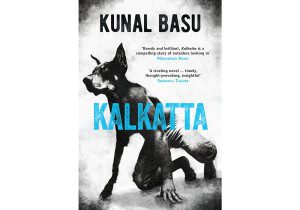
Read an extract from Kalkatta, or click here for an interview with Kunal Basu. Kunal Basu’s Kalkatta is a kind of messed up, sour Cinderella story. Jamshed arrives in Calcutta as a young boy with this family of caricatures, a

Read an extract from Kalkatta, or click here for Devjani Bodepudi’s review. Kalkatta is about people facing the consequences of the India-Bangladesh partition. Jamshed’s family are refugees in a ‘Kalkatta’ rarely seen or brought to light. How has the setting of

Read Devjani Bodepudi’s review of Kalkatta, or click here for an interview with Kunal Basu. That was the real beginning of my new life, going from someone who did casual jobs to someone who did it daily, getting up in

Indigenous poets from Northeast India have long been engaged in dialogues that seek self-determination embodied in a desire to articulate a celebration of life in the hills amidst diversity and richness, and to chronicle contemporary realities, often marked by violence.

What is it about Urdu literature that appeals to you, how did your research begin and why do you think Urdu literature needs to come to the fore? Urdu is my mother tongue; it is the language I used at

Recent British Asian literature in English has, for the first time, started to engage head on with caste. Two recent novels in particular, Sathnam Sanghera’s Marriage Material, and Sunjeev Sahota’s The Year of the Runaways have Dalit protagonists at their

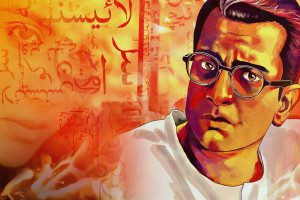
In ‘Why I Don’t Watch Films (Anymore)’, a satirical essay written soon after his painful migration to Pakistan that also attempted to distil his illustrious career and experiences in Bombay’s often deceitful and artificial pre-Partition film world, Saadat Hasan Manto

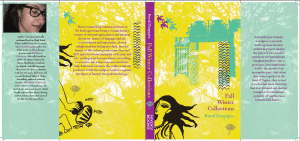
Fall Winter Collections Koral Dasgupta Niyogi Books Rs 395 | 235 pp To begin from the end, Koral Dasgupta’s Fall Winter Collections draws to a close with our seemingly incompatible but equally wayward protagonists—the sculptor and the professor—ending

Dr Kalburgi and MM Basheer are only the latest in a long line of intellectuals who have been targeted by “fringe elements” for expressing views that challenge orthodoxy. This month’s issue of Kindle Magazine seeks to understand what it means

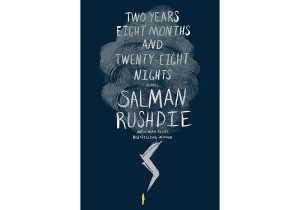
Two Years, Eight Months and Twenty-Eight Nights Salman Rushdie Random House 304 pp | Rs 599 Early on in Salman Rushdie’s latest novel, there is a passing mention of the Arabic philosophical treatise The Incoherence of the Incoherence.